
Daily Supplement Stack
Building a Vitamin D and Magnesium Stack for Active Men
Marcus Chen
·
·
9 min read
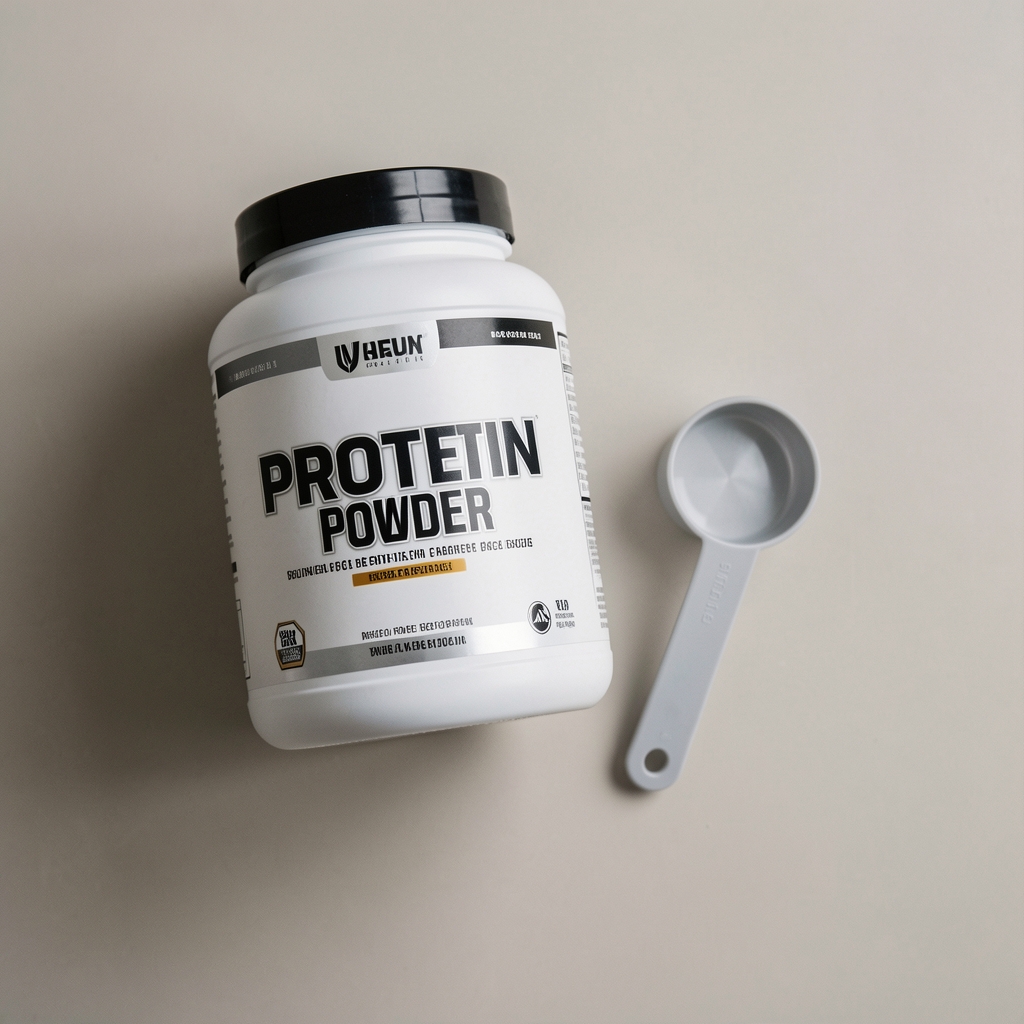
The conversation about protein in men's nutrition often begins and ends with the supplement aisle. This is a limitation. The more instructive question — and the one this editorial review sets out to examine — is how protein from whole food sources and supplemental additions work together as part of a daily performance routine. The evidence, such as it is, leans in a direction that most serious practitioners have already arrived at: whole food is the foundation, and supplemental protein is an addition to that foundation, not a replacement for it.
Across the nutritional research literature on active men, protein appears with remarkable consistency as a central concern. This is not surprising: protein is the macronutrient most closely associated with the physical demands of resistance training, endurance activity, and the general wear of an active routine. What the research also notes, however, is that the question of how much is necessary and where it should come from is considerably more nuanced than supplement marketing suggests.
Studies examining the dietary patterns of men who train consistently tend to find that those who obtain the majority of their protein from whole food sources — eggs, fish, legumes, poultry, dairy — report equivalent or superior outcomes in terms of muscle recovery awareness and sustained daily output, compared with those who rely heavily on supplemental protein. This observation does not diminish the value of protein supplements. It contextualises them.
The editorial position of this journal, derived from surveying this literature, is the following: protein supplements support daily protein intake targets alongside whole foods. They are not the primary source; they are a practical solution to the gaps that whole food diets sometimes leave.

Whole food protein sources — editorial, Jakarta, 2026
Protein supplements — most commonly whey, casein, or plant-derived powders — occupy a specific functional niche in the supplement routines of active men. That niche is convenience and completeness. For men whose daily schedules do not consistently permit the preparation of protein-dense whole food meals, a supplement provides a reliable and rapid method of reaching daily intake targets.
The post-training window has been the focus of considerable research attention. The editorial team's reading of this literature is that the importance of the immediate post-training window has been somewhat overstated in popular supplement culture, but the underlying principle — that protein intake in relation to physical activity supports muscle recovery rhythm — appears consistently in the research.
For men who train in the mornings before a full meal is practical, a protein supplement functions as a useful bridge. For men whose diets already deliver adequate protein across the day, the supplement's contribution may be less significant. This individual variation is one of the reasons the journal avoids prescriptive recommendations and instead documents patterns.
"The supplement aisle offers a practical answer to a real daily challenge. The editorial question is whether that answer is being used as a tool or as a substitute."
Protein supplements deliver protein efficiently. What they do not deliver, in most cases, is the broader range of micronutrients and co-factors present in whole food sources. An egg, for instance, contributes not only protein but also choline, selenium, and B vitamins. A serve of fatty fish contributes protein alongside omega-3 fatty acids. A cup of legumes provides protein alongside fibre and a range of minerals.
This is the foundational argument for the whole-food-first approach: dietary variety and nutrient density are not replicable through isolated supplements. The supplement industry has produced multi-nutrient protein blends that approach this complexity, but the research suggests that whole food remains the more efficient vehicle for comprehensive nutritional intake.
For men whose nutritional habits are genuinely varied — who eat across a range of protein-dense whole foods throughout the week — the addition of supplemental protein is a relatively minor contribution to the overall picture. For men whose diets are narrower, the supplement may play a more meaningful role in reaching adequate intake.
Beyond total daily intake, the distribution of protein across meals has attracted attention in the nutritional research community. The general finding — consistent across multiple independent studies — is that distributing protein intake across several meals, rather than concentrating it in one or two, is associated with more consistent muscle recovery awareness and sustained daily energy patterns.
For men with structured daily routines — those who train at defined times and eat at regular intervals — this distribution pattern is relatively straightforward to achieve through whole food alone. For men with less structured schedules, supplemental protein provides the flexibility to fill gaps in the distribution.
The editorial note here is one of proportion. The research does not suggest that precise timing produces dramatic differences in daily performance for recreational active men. The difference between eating protein at 8:00 and at 10:00 is, for most men, not the critical variable. The critical variable is consistency: adequate protein, distributed reasonably across the day, from a combination of varied whole food sources and supplemental additions where necessary.
The editorial team draws on readership data and habit survey material from across Indonesia, where the active-lifestyle supplement market has grown considerably in recent years. Several patterns are worth noting. Indonesian men who train consistently report a strong preference for whole food protein sources — tempeh, fish, eggs, and tofu feature prominently in diet survey responses. Supplemental protein tends to be introduced when training intensity increases and whole food intake alone becomes difficult to maintain.
This pattern is consistent with what the international research suggests. The local dietary tradition — rich in varied protein sources, particularly legume-based foods — provides a solid nutritional foundation on which supplemental additions sit well. Men who maintain this foundation and use supplemental protein as an addition report, in the survey material reviewed by this publication, a more consistent sense of daily nutritional balance than those who have moved away from whole food sources entirely.
The editorial conclusion, appropriately hedged: the whole-food-first principle appears as relevant in this context as in any other. The supplement's value is real; its role is supporting rather than central.

Marcus Chen is the founding editor of Atoriv Journal and writes on daily supplement habits, nutritional awareness, and active lifestyle patterns for men across Southeast Asia and beyond.
More articles by this author →